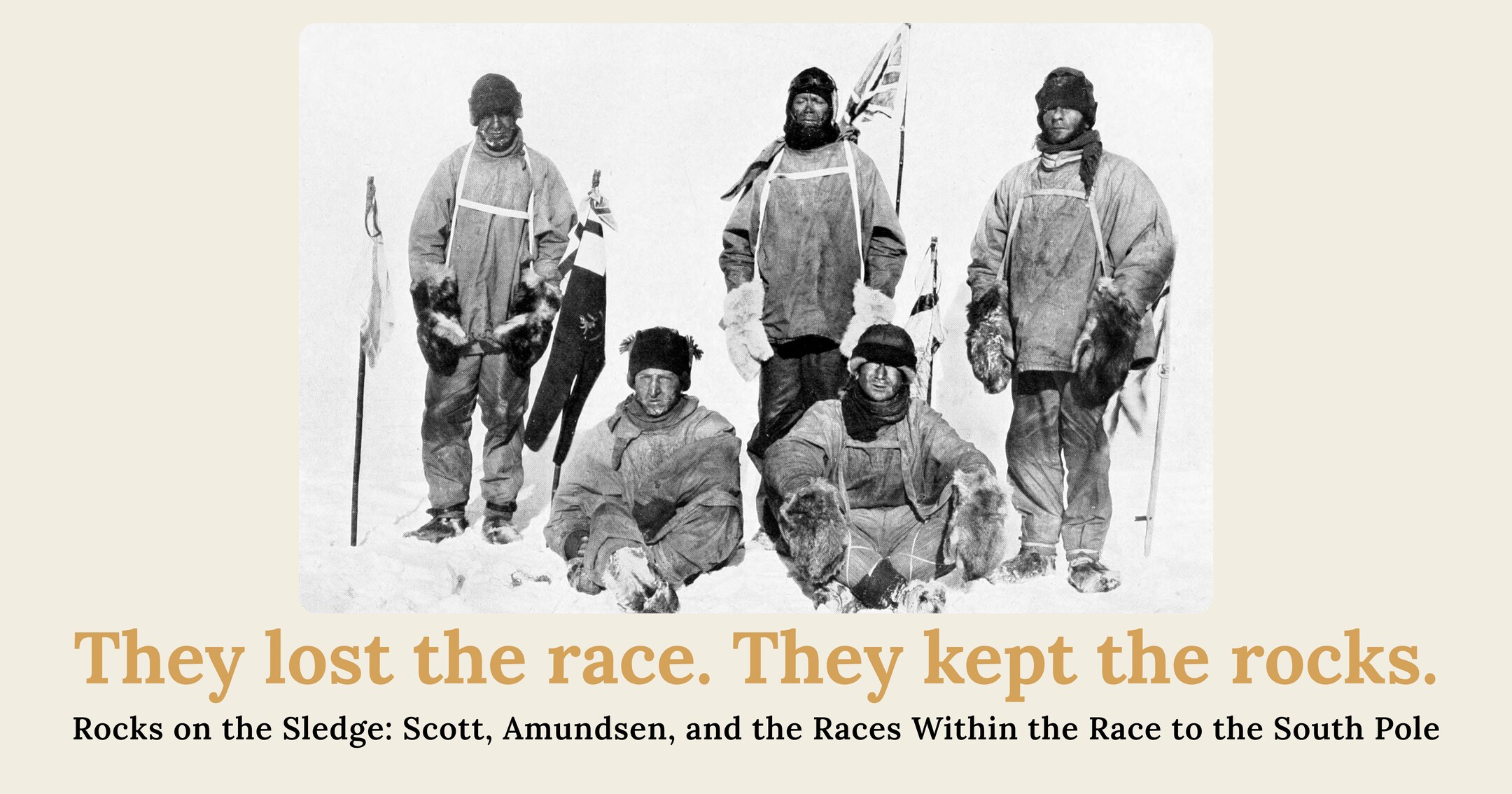
February 8, 1912. Mt. Buckley, Antarctica.
43-year old British expedition leader Robert Falcon Scott and his four companions are three weeks past the South Pole. Nearing the finish line, they had been greeted by a lone black marker flag and then, at the pole itself, the tent and flag of their Norwegian challengers. They had lost the race to the South Pole.
Roughly three hundred miles from their second place arrival at the pole and four hundred more from safety of their base of operations near the coast, they are fading. One member of the crew, Edgar Evans, has likely suffered a head injury in a recent crevasse fall and his behavior and energy to continue on are faltering. They are all exhausted, faces frostbitten, supplies running out. The season for exploring is closing in on them when Scott the career navy sailor would note in his journal that night: “A lot could be written on the delight of setting foot on rock after 14 weeks of snow and ice and nearly 7 out of sight of aught else. It is like going ashore after a sea voyage.”
They had made a kind of landfall and found some protection from the harshest of Antarctica’s wind and cold when they noticed something. Scott halts the descent, writing, “The moraine was obviously so interesting that when we had advanced some miles and got out of the wind, I decided to camp and spend the rest of the day geologising.”
The Terra Nova expedition had been scientifically minded from the beginning, and Scott had the right man beside him: Edward Wilson, doctor and trained naturalist. “We found ourselves under perpendicular cliffs of Beacon sandstone, weathering rapidly and carrying veritable coal seams,” Scott wrote. “From the last Wilson, with his sharp eyes, has picked several plant impressions, the last a piece of coal with beautifully traced leaves in layers.” In one afternoon they had bagged coal and fossil plants from Earth’s most remote region — finds that would prove a clue to the planet’s deep past. The next day they stopped and geologised again, Scott admitting he was now “too tired to write geological notes.”
Six weeks later, nearly 150 total days out, they would find themselves in a tent on the Ross Ice Shelf trapped in a blizzard, completely depleted and roughly 11 miles from One Ton Depot, a key cache for food and supplies. Their planning and preparations had failed them. Survival on thinning margins seemed increasingly unlikely. Evans had died and been left behind a month earlier. Oates elected to take his own life, walking out into a blizzard. Scott waited with Edward Wilson and Henry Bowers and scribbled one last diary entry dated March 29:
Every day we have been ready to start for our depot 11 miles away, but outside the door of the tent it remains a scene of whirling drift. I do not think we can hope for any better things now. We shall stick it out to the end, but we are getting weaker, of course, and the end cannot be far.
It seems a pity, but I do not think I can write more. R. SCOTT.
All five of Scott’s polar party died on the roughly 800-mile return. When a search party discovered their fate the following November, they found no fuel, scarcely any food, and thirty-five pounds of rocks on their sledge. Why still carry rocks?
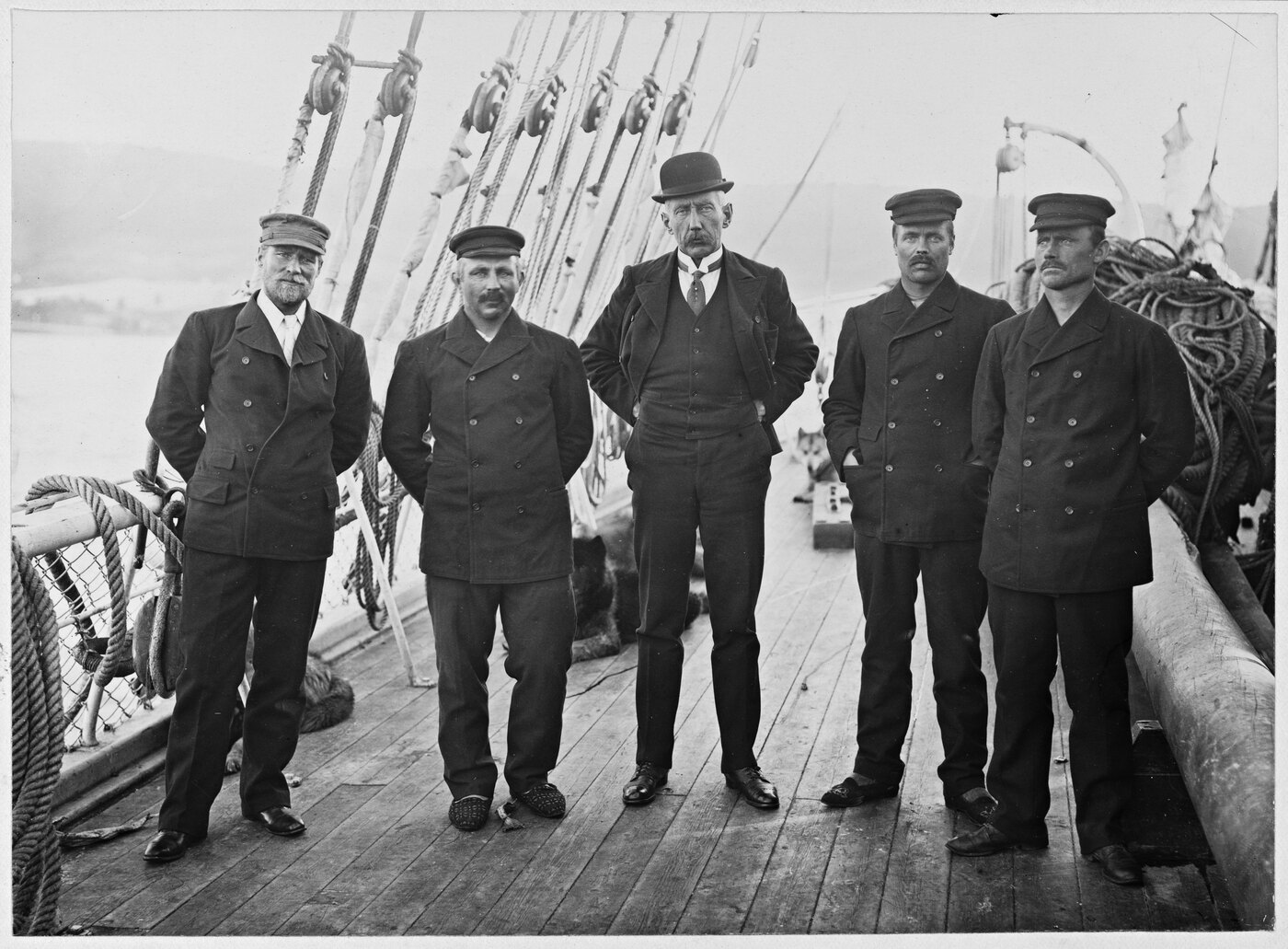
Two weeks before Scott halted at Mt. Buckley, Norwegian expedition leader Roald Amundsen and his crew of four strolled back into their basecamp Framheim at 4am, deadpan, walking in on the sleeping camp as if back from a day trip. They had completed an out-and-back trip to the South Pole along a new route in 99 days. They came home with food to spare, having gained weight, though only 11 of their 52 dogs returned. Back in September 1909, at his home outside Christiania, Amundsen had ended his written plan with a single sentence: “Thus we shall be back from the Polar journey on January 25.”
It was January 25, 1912. Amundsen’s journal notes:
It was so still and quiet – they must be all asleep. We came in. Stubberud started up in his bunk and glared at us; no doubt he took us for ghosts…
“And what about the Pole? Have you been there?”
“Yes, of course; otherwise you would hardly have seen us again.”
Different start dates, different routes and a host of small and large factors, but the pacing tells a lot of the story. It took the Norwegians 57 days to reach the pole and 39 days to return. Scott’s crew required 78 days to reach the pole and 62 to their final camp. Scott’s hundredth day was February 8 when they stopped for geology. With 400 miles to go, the primary prize lost, and their margins narrowing, they were collecting rocks.
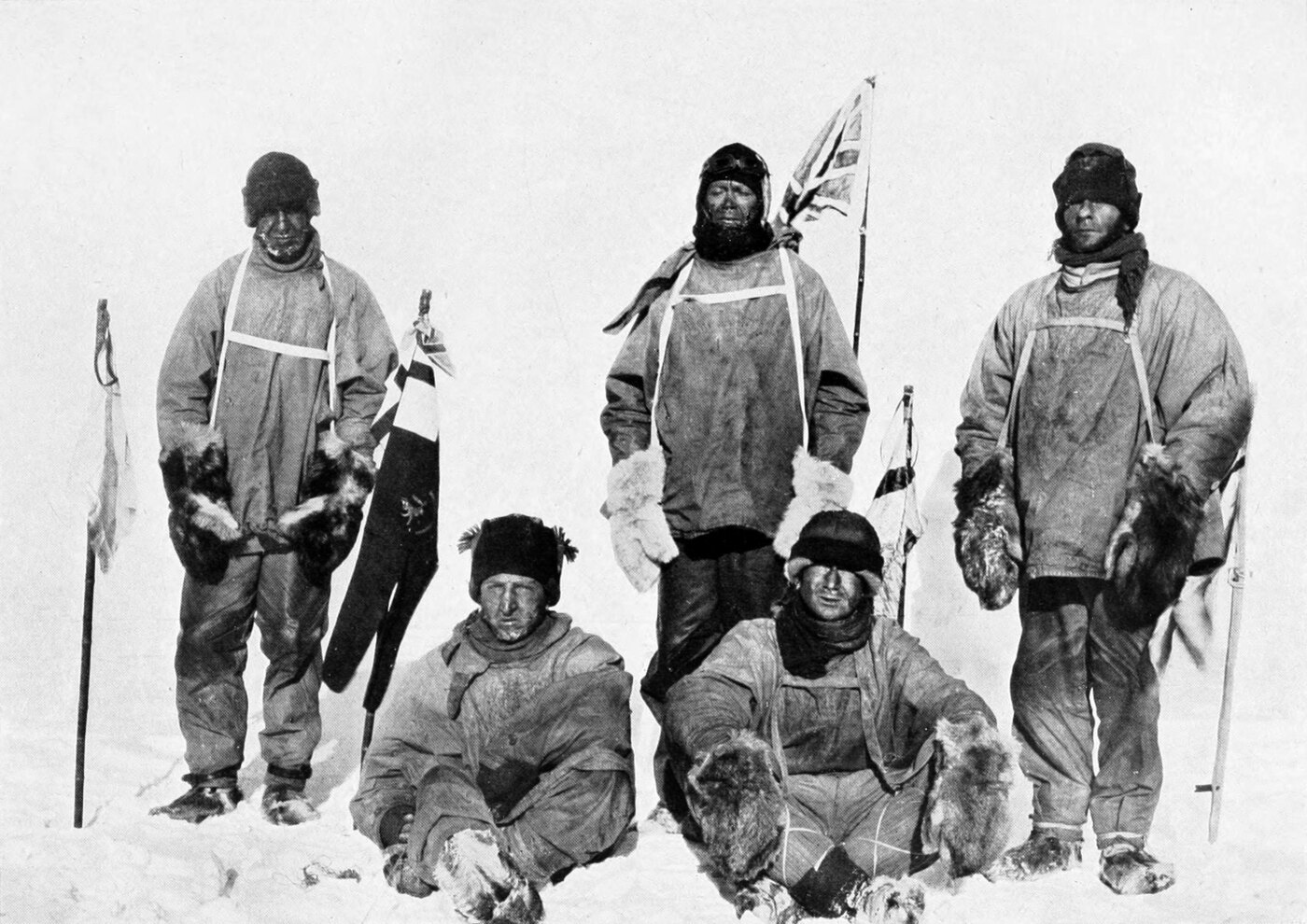
Historians still debate what doomed Scott: poor preparation, freak weather, bad luck, fatal decisions, margins too thin to survive, or some combination.
Oftentimes when we set a goal, it carries much more than the target itself. We are also pursuing a story, a narrative identity, and even a public perception, all of which pulls on us beyond merely reaching what we hope to achieve. This larger tapestry — how we see and tell our goal pursuit in the moment and after — we might call goal framing. Our frame shapes how we prepare, how we make choices moment to moment, and how we read our situation when things turn ambiguous.
In short, goal framing defines the game we think we are playing.
In 1910-1911, two parties set out to reach the South Pole. Each took different modes to plan and pursue those goals. They also carried different ways to frame the pursuit. The 1911 race was framed by two 1909 events that preceded them, namely Cook and Peary’s dual claim of being the first to reach the North Pole and Shackleton’s own turning back 97 miles short of the South Pole. The Americans’ capture of the North Pole killed Amundsen’s original North Pole goal, a ghost goal that would haunt him in the years ahead, and forced a secret reframe and redirection for him and his crew originally slated for a voyage north.
Both Amundsen and Scott were preeminent explorers of their day and part of a final wave of explorers reaching the highest peaks and last unexplored and unclaimed places first. It was an era that fascinated the public, drove individuals to the extremes and cost the lives of most attempts. Yet the pull to reach the farthest, be the first, be the only to bag these unique prizes was an all-encompassing obsession for both men.
Roald Amundsen was the singularly-minded polar explorer specialist. Born into a family of shipowners and captains in 1872 in Borge (near Fredrikstad), Norway, then in union with Sweden, he was inspired by the lost Franklin Expedition and by Nansen’s 1888 crossing of Greenland and vowed early in life to become a polar explorer. Norwegian winters, including sleeping with the windows open, and long-distance and mountain skiing were his earliest trainings in his life ahead. Reluctantly he initially studied medicine to appease his mother but switched full-time to exploration after her death in 1893. His polar apprenticeship was marked by serving on the ship Belgica, where he experienced an Antarctic winter firsthand, and he used his Northwest Passage expedition — the first ever to sail it end to end — to spend two winters living and studying with the Netsilik Inuit, where he mastered dog driving, fur clothing, and snow shelters. He treated indigenous knowledge as expert knowledge, rare among European explorers of his era. Originally slated to attempt the North Pole, he secretly switched his target to the south upon learning of the American claims to the North Pole. The crew didn’t know until after they had departed. His brother Leon handled the announcement, delivering letters to Nansen and the king, informing the press, and sending the now-famous telegram that reached Scott in Melbourne: “Beg to inform you Fram proceeding Antarctic - Amundsen.”
Robert Falcon Scott was the unexpected explorer. He came from modest origins and spent his life and career in the British Royal Navy, joining as a cadet at age 13. When his father’s brewery business later failed, his naval pay became his family’s main financial support. Polar exploration found him when he was hand-picked off a list of promising officer-candidates by Sir Clements Markham of the Royal Geographical Society to command the Discovery Expedition, a large-scale scientific and geographical exploration of a largely unexplored continent. Well-read but lacking both polar apprenticeship and key cold-weather skills, Scott came out of a proud Navy tradition that assumed a capable officer could command anything. He also embodied the noble and romantic lens of his era, which held science, endurance, improvisation and grit as the marks of a suffering hero’s worthy pursuit. Scott was decorated, celebrated, and already sailing south on his own dual mission of science and the pole when he opened Leon’s telegram in Melbourne and resolved to proceed “as though this had not happened.”
The race to the South Pole was on. So were the races within it.
The Frames: Which Game Are You Playing?
Goal pursuit is rarely linear. The science of goals is never as simple as just setting a goal. Goals go through many phases, are often bound to get stuck in the middle, and can face the ambiguity of determining if we are in a long middle or the desperate end. Goals carry a range of emotions, shape our identity and confront us with uncertain choices throughout.
While often framed as a race to the pole, to both Amundsen and Scott this was really a two-faced race: Who could reach the pole first AND, after, who could get the word out?
The pressure was sharpened by the 1909 Cook–Peary controversy: two rival claims to the North Pole, an announcement war, and no clean winner. A pole was a race with no referee at the finish line, and being first only counted if you were first to be heard and believed. Both leaders planned for it. Amundsen had sold exclusive rights to his story to London’s Daily Chronicle. He left his brother Leon in Christiania, Norway, to run the press, and when the Fram reached Hobart, Australia in March 1912, he sent coded telegrams to Leon, to Nansen, and to the king before wiring the full story to the Chronicle the next day. Scott carried a matching contract with the Central News Agency in London.
Scott’s plan was similarly delineated and would outlive him. When the Terra Nova returned to New Zealand in February 1913, his men went ashore with their own coded cable, refused every question, and kept the ship at sea for the designated twenty-four hours while the news of his death traveled by telegraph to London first. Even the announcement of his fatal ending ran on plan.
“Science Would Have to Look After Itself”
For Amundsen, his pursuit was singular. As he wrote in his diary, “At all costs we had to be first at the finish… Science would have to look after itself.” He knew what mattered most to him and his crew: the pole prize, and anything that impeded that would be secondary. Amundsen had spent years preparing and, even though they made modifications as they tested and finalized to departure, their approach was well-defined and the pursuit of the pole was methodical. At the same time, he also recognized that “we could not reach the Pole… without enriching different branches of science.”
For Scott, his crew’s pursuit was multifaceted and framed by a range of goals and storytelling. As Wilson, a member of his crew, put it, “We want the Scientific work to make the bagging of the Pole merely an item in the results.” They were pursuing science, experimenting with multiple modes of transportation, and making tweaks and modifications on gear and their crew even as they pushed to reach the pole. Along with reaching the pole first, Scott had a host of side quests and extra brownie points that could be counted as “winning” too.
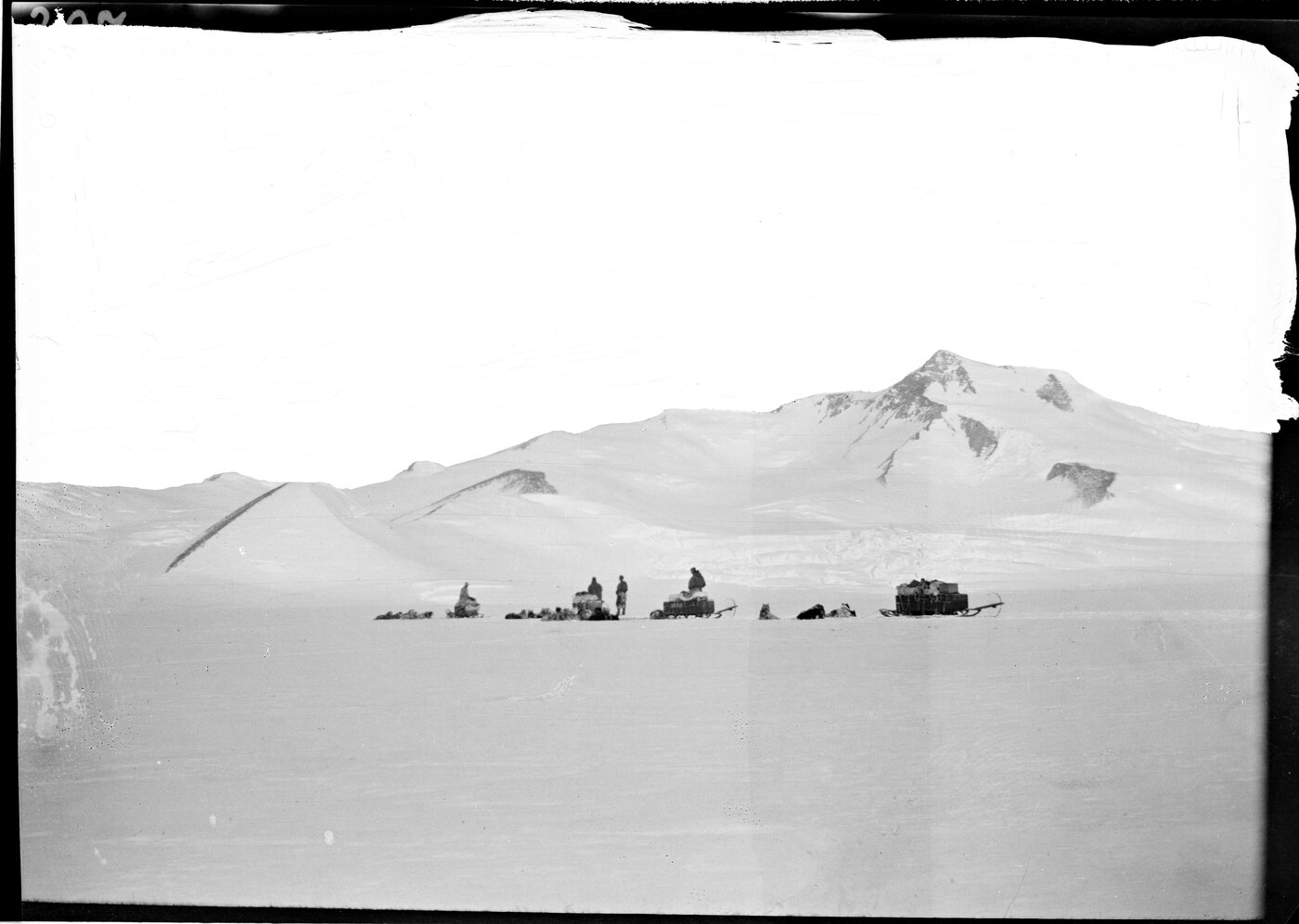
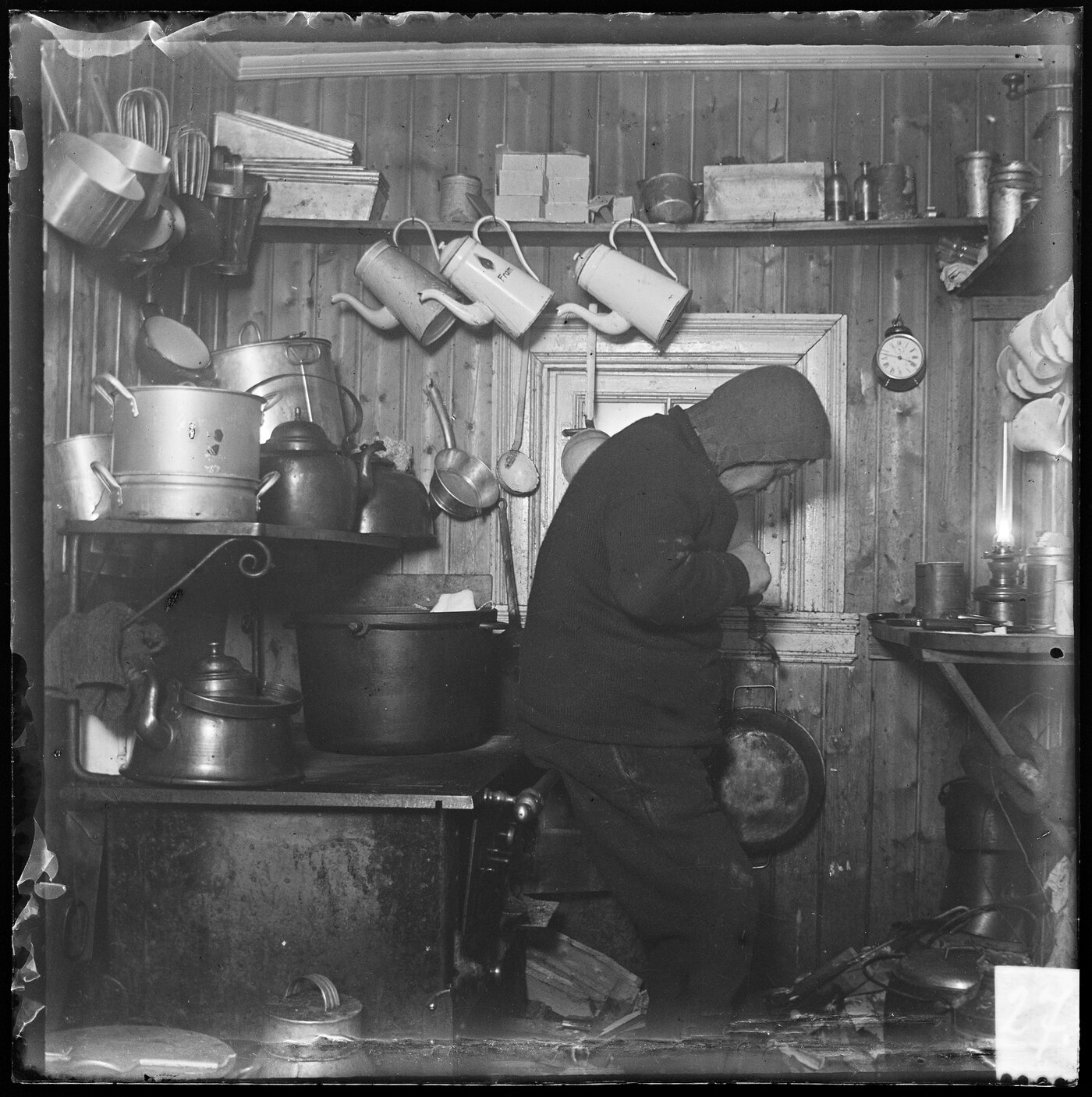
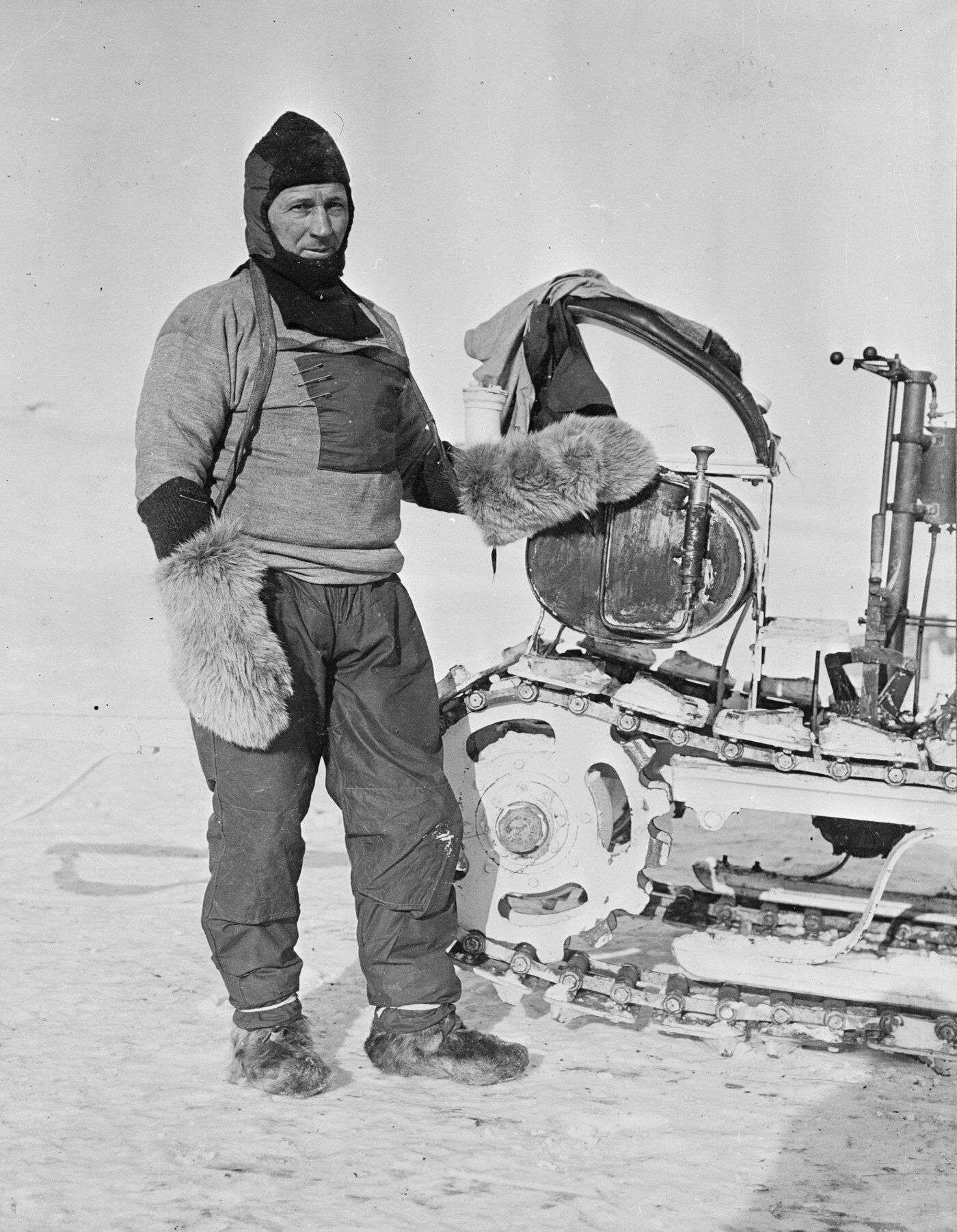
Fortunately for our purposes and for historians alike, both crews kept daily diaries. In Race for the South Pole (2010), Roland Huntford lays these journal entries out side by side, day by day. Along with the photographic record, these pages from Scott, Amundsen, and that of Olav Bjaaland, the champion skier in Amundsen’s party, give us an in-the-moment view as they pursue and return from the pole. Just miles apart, we get the same days, same continent, read from two different tents.
In reading these journal entries, we encounter a record of facts: date, location, temperature, weather conditions, distance traveled, and food as well as the health and status of their crew and transport. For Scott, this initially is a combination of motor sledges, ponies, and dogs, followed by manhauling for the final stretch and return. For Amundsen and Bjaaland, it’s all about skiing and their dogs and many of their notes read like a nordic ski excursion and a commentary on the state of the snow. Bjaaland’s entries could pass for a ski-touring log: “Well now the road to the Pole is clear – may we soon be there,” he writes from the plateau, then: “Biscuit crumb pudding here at 86° tasted good.”
Frames Have Authors
As both crews were pursuing the South Pole, their words scribbled in their cold tents offer a first-hand account of their physical and mental journeys. In their hundreds of entries, we also get to witness their frames and how they perform them. Every frame has an author, and each of these three men was writing for a different reader or, in the case of Bjaaland, no reader at all.
We can’t entirely take them at their word, because they were authoring stories, sometimes inherited ones, and actively preparing for the afterwards and subsequent phases that would follow once they had reached their goal.
Scott was writing inside of a frame partially inherited from other explorers and built by a British heroic tradition where he was meant to mark his name and quest for posterity. Besides being first to the pole and the science, Scott carried one more goal frame: book writer. Scott was preparing a book during his expedition and his diary, especially the final entries, were clearly speaking to a public reception he foresaw and one he was trying to compose. Scott’s diary was edited before publication with certain passages cut or softened by its editor, Leonard Huxley, with input from his widow. The edited version Scott’s Last Expedition was published in 1913, became an immediate bestseller, and canonized Scott as the heroic explorer martyr for the next sixty years. Huntford’s 1979 revision flipped this interpretation. Much like his life, even in death, Scott’s frame had co-authors.
By contrast, Amundsen was authoring a singular frame end to end. His writings are accurate descriptions of the methodical pursuit and some of his observations along the way. His voice reads focused and determined, though his caring and graciousness towards his crew is displayed in his preparations and some key moments during the journey too. By and large, he is a man in control whose aim was conquering of the pole first and telling the news and selling the tale first too. The frame had one main protagonist and one lead author and it was him.
Arguably, Bjaaland’s journey and journals are perhaps the least biased because it was intended only for himself. He wasn’t an expedition leader nor a hero. He wasn’t inheriting a particular societal view of the hero’s arc like Scott nor bound to an explorer’s life identity like Amundsen. The physical challenges and risks he took are often underplayed. This is the diary of a man with no public frame to maintain, merely his private observations, humor, wonder, wordplay, and honesty in the here and now he lived through.
Scott was writing a book mid-expedition; Amundsen was authoring a conquest; Bjaaland was writing to nobody. When they disagree, which should we hold with more credence? Is the audience-less one the better witness?
Two Games at Once: Always a Game You’re Winning
The pole race ended for Scott on January 16, 1912, when a black marker flag rose out of the white ahead of them. The next day, after all of their suffering and sacrifices, they stood at the pole itself, second. With a change in tone and a reinterpretation of their efforts, Scott remarked in his log, “Great God! this is an awful place and terrible enough for us to have laboured to it without the reward of priority.” Then, with somber mood and mixed emotions, he added, “Well, it is something to have got here.”
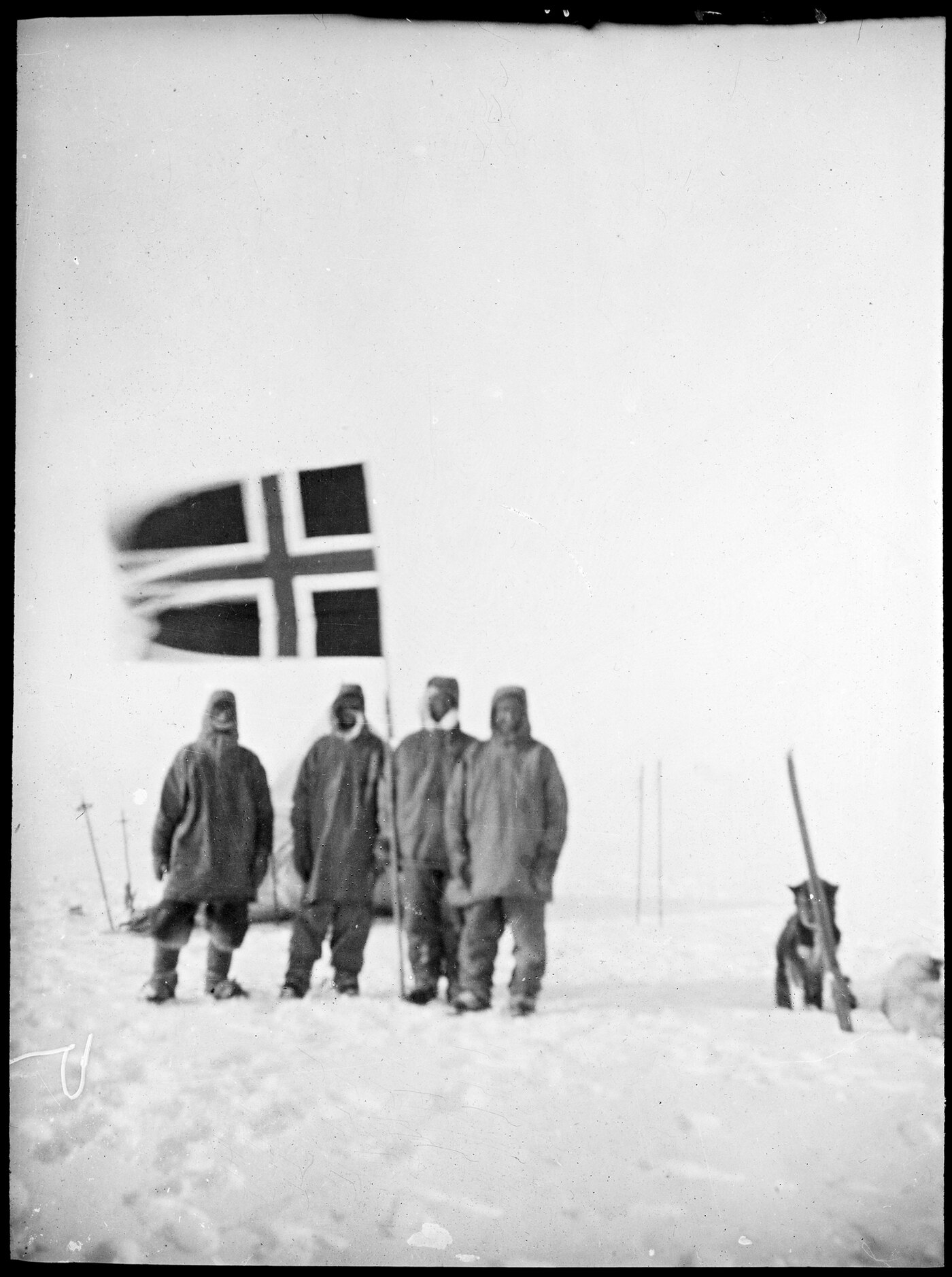
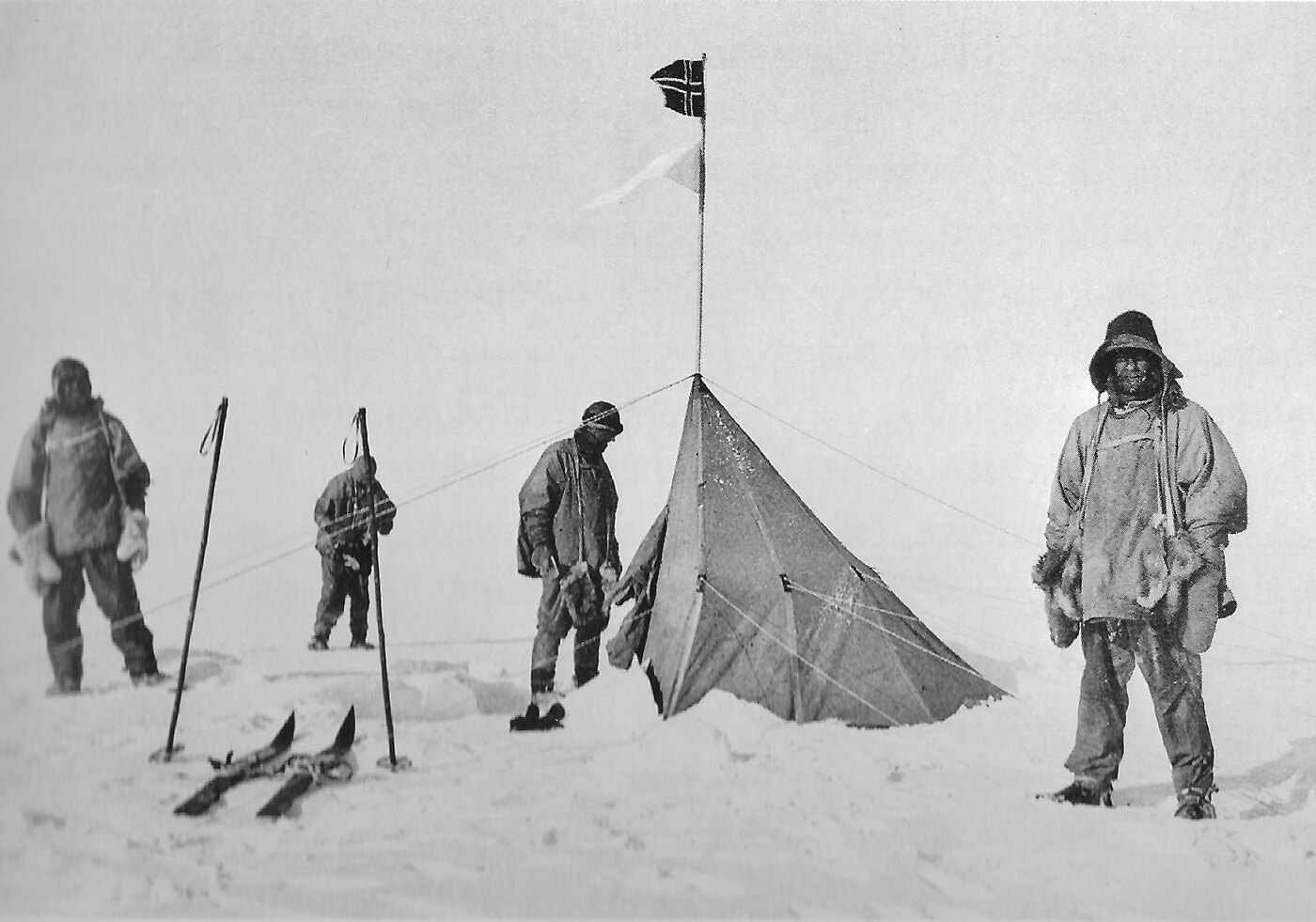
But for someone who had banked a host of key decisions, achievements, and wins in the lead up to this heartbreaking moment, only one of Scott’s games ended that day. His expedition’s overall pursuit was salvageable. His story could still be authored as grand and meaningful. His scientific explorer identity could be maintained by simply redefining what mattered inside of his own goal frames. The science game was still winnable. The fallback was not improvised in defeat. Scott had written it down months earlier, in winter quarters, before the polar journey even began:
“It is a really satisfactory state of affairs all round. If the Southern journey comes off, nothing, not even priority at the Pole, can prevent the Expedition ranking as one of the most important that ever entered the Polar regions.”
The alternative win condition had been on the books since September. When the race was lost, the ranking of his goals only needed to shift.
It’s hard not to see Scott’s subsequent moves in coming weeks as a fatalistic turn. Their 800-mile return faced a host of challenges, some of them outside their control, and on increasingly narrow margins. This compounded with poor planning, ill-conceived decisions and consequential improvisation. Scott’s expedition and his diary are framed on the pole goal but also remarkably oscillate between other interests and frames including science, invention, transport experiments, and even social status. In reading his diary entries, it seems clear that he was also living in a goal pursuit with multiple, competing frames and lacking in crucial guardrails.
So in early February 1912 when Scott and crew finally reached exposed rock for the first time in months, one of these other goal frames pulled on him and Wilson, chief of the scientific staff and a trained naturalist, and rather than push primarily towards safety, they paused to do a bit of geology. This wasn’t madness nor simple fatalism nor even poor leadership, because the geology stop granted a still-winnable game and possibly a consolation prize too. Inside of one of his frames, this offered up a rational move.
Goal researchers refer to this cognitive process where activating a goal automatically blocks off distractions, inhibits competing interests and improves performance as goal shielding. In normal circumstances, this phenomenon can be a powerful force multiplier by protecting mental resources and enabling you to focus on a single task until it’s done. Goal shielding has a negative side too, because a perfectly shielded goal suppresses the warning signals that should trigger reflection, re-evaluation, and alternative actions.
With multiple frames there was always a game Scott was winning, and the winning game shielded him from the verdict of the losing one. Goal shielding through multiple frames meant he could see no other path but the ongoing pursuit. No signal ever said stop in every game at once. You have to lower your goal shield to sometimes see the goal you are pursuing or frame you are living is no longer viable or, in Scott’s case, no longer survivable.
So “Why still carry rocks?” Because in one of the games he was playing, he could still win and those rocks were the trophies.
As a product builder, entrepreneur and creative myself, I see this in my own goal pursuits. We often have to give ourselves a frame that makes the likely failure of our venture less painful, more comforting, and more confirming such that even in a loss, we can say that we have won; even in failure, we gained something.
The Game Was Choosable: A Live Donkey or a Dead Lion?
January 1909, 88°23′S, 97 miles short of the South Pole, Antarctica.
Ernest Shackleton does the arithmetic and determines that they won’t have enough food to make it to the pole. So, he elects to turn back, brings every man home alive and reportedly tells his wife, Emily, “I thought you’d rather have a live donkey than a dead lion.” Shackleton, the shadow competitor and explorer that Scott and Amundsen both measured themselves up to before and during their own expeditions, showed that you could choose an exit option. Besides the two-door alternatives of win and survive vs. win and die, there was come home alive with the record. Scott may have been driven to be heralded as the lion but Shackleton showed that a live donkey was not just survivable but could be celebrated too. Shackleton’s 1909 turn-back was rewarded publicly when he returned home alive, a national hero, and was knighted.
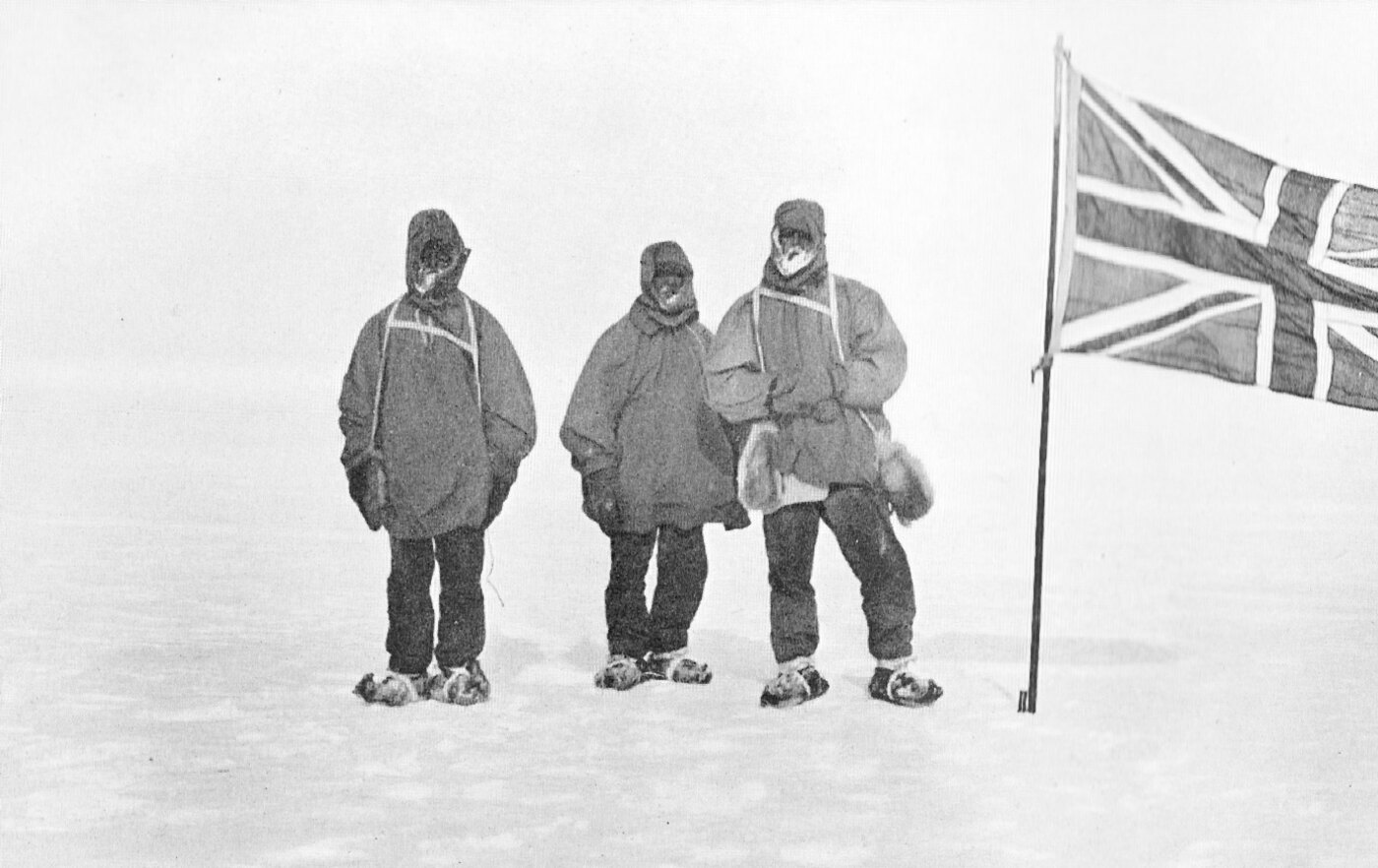
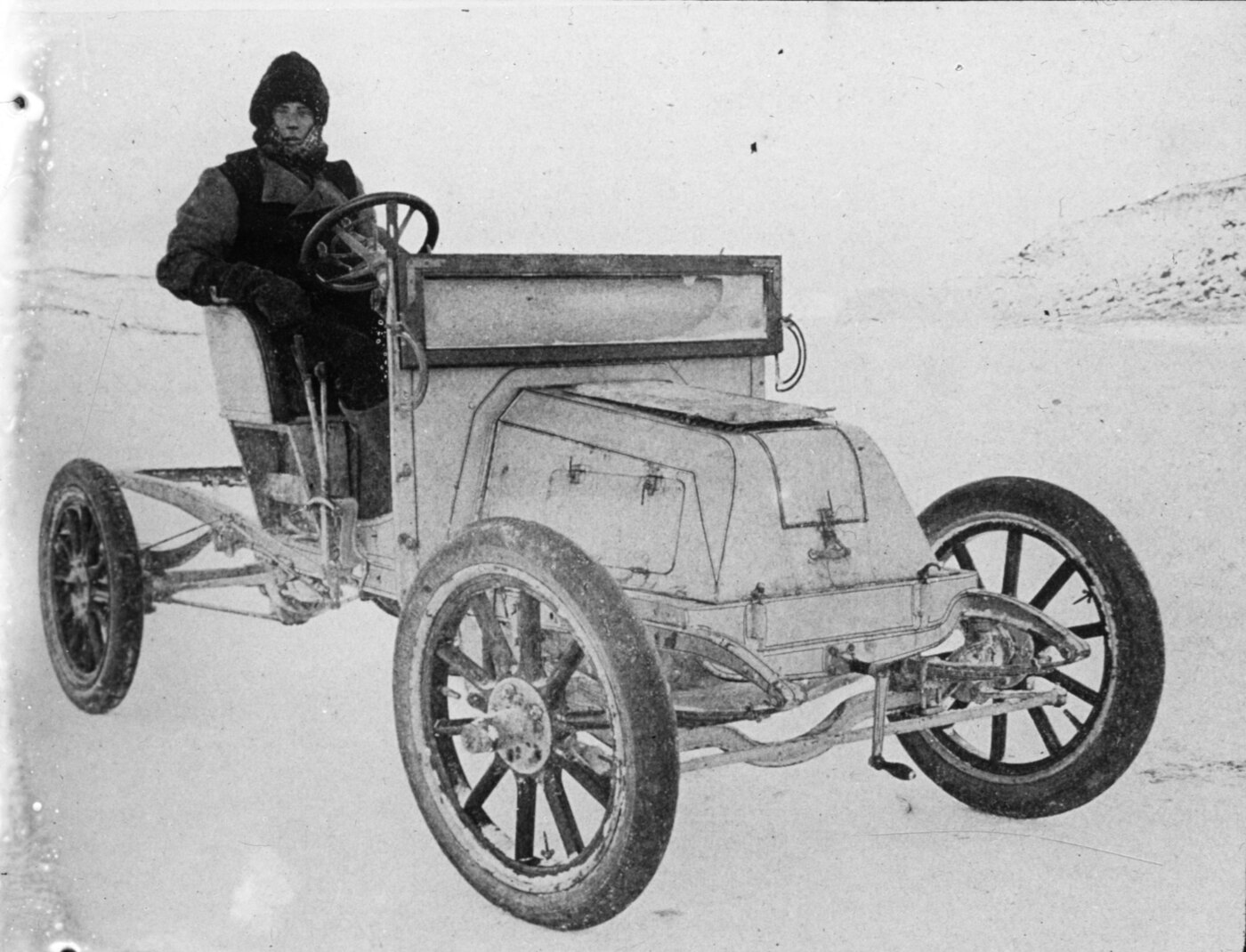
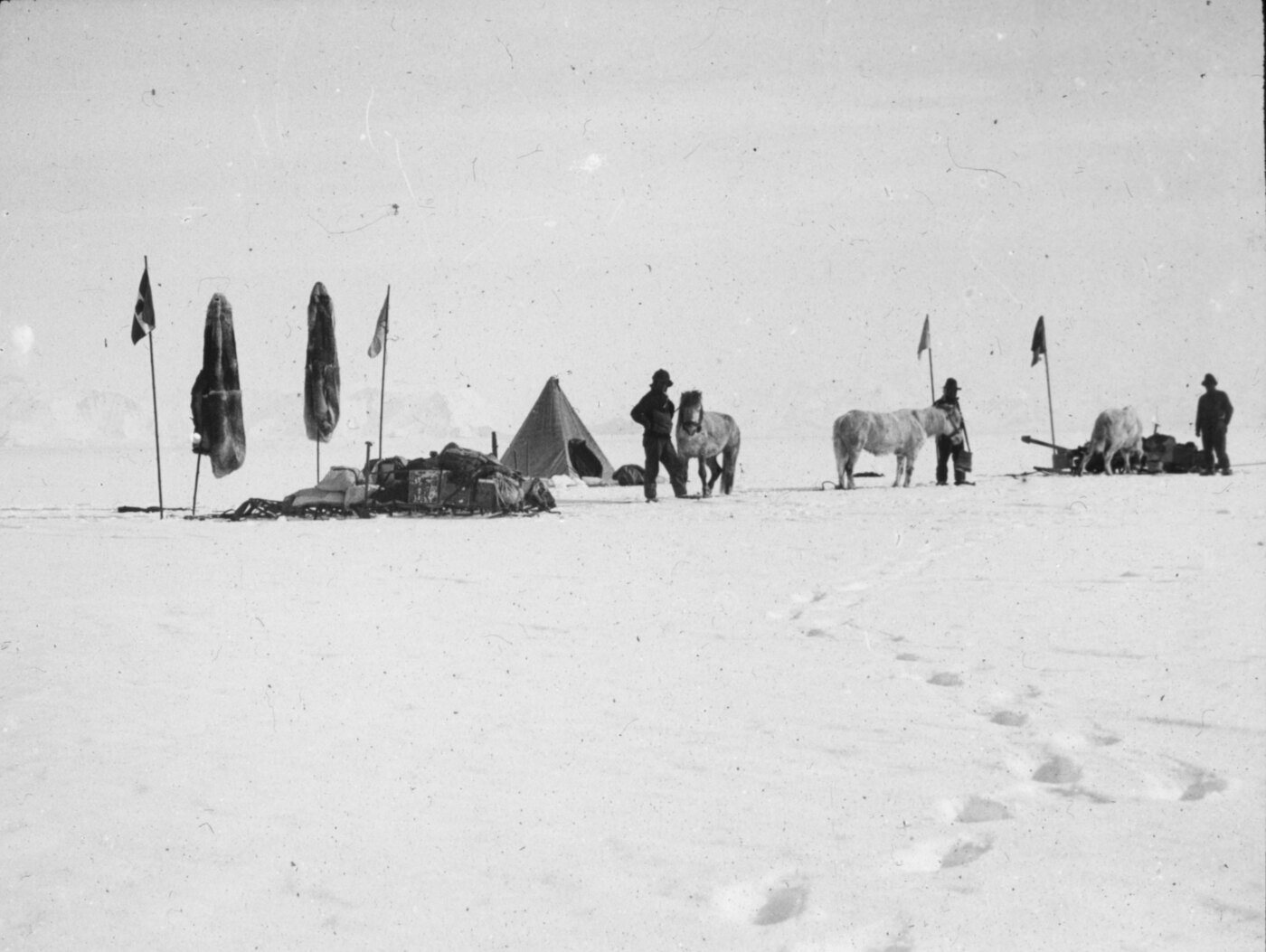
Admittedly, Amundsen didn’t need to abandon his quest to reach the pole. His planning, strategy and team meant he never faced Shackleton’s arithmetic, but I’d argue that Amundsen could have answered this challenge, because he was racing one game: reach the pole and get back alive to announce it, and with only one game in play, the exit was legible. A single framed goal pursuit means you know exactly where your guardrails are and what losing looks like, so you’ve defined the conditions for turning back before you left.
Arguably, Scott had no frame in which turning back counted as anything but a loss. In the race game, turning back would be quitting. In the hero game, suffering was romanticized and death always on the table. In the science game, there was no going home empty-handed. In the book game, a retreat writes no third act. And in the announcement game, there was nothing worth wiring home. An exit strategy requires knowing which game you’d be exiting and under what conditions. For Scott gambling on many games, “turn back” was never one decision but five.
In the final days trapped in the tent, Scott wrote one more document alongside the diary, a “Message to the Public”:
We took risks, we knew we took them; things have come out against us, and therefore we have no cause for complaint, but bow to the will of Providence, determined still to do our best to the last…
Had we lived, I should have had a tale to tell of the hardihood, endurance, and courage of my companions which would have stirred the heart of every Englishman. These rough notes and our dead bodies must tell the tale…
In his final words, we observe Scott’s spirit, the national pride underneath, and a romantic hero’s quest embodied. His own dying hand, on his final page, shows one of his final games: the story, the book, posterity, and the audience beyond. His 1913 bestseller proved one game was won, a story he was forever writing and one that would outlive him.
Which Game Are You Racing?
Three men, three ways of holding a frame. Amundsen raced a single game with a legible exit. Scott ran five games at once, with no exit legible in any of them. And Shackleton had already shown them both that the game itself was choosable.
Why still carry rocks? Scott answered the question himself, two weeks before the end, in an entry headed “Friday, March 16 or Saturday 17. — Lost track of dates.” A man no longer sure what day it was, itemizing what to keep and what to abandon:
We leave here our theodolite, a camera, and Oates’ sleeping-bags. Diaries, &c., and geological specimens carried at Wilson’s special request, will be found with us or on our sledge.
The theodolite, a survey instrument whose readings had proved they reached the pole, could go. That pole game was over. Proof already obtained. The camera could go too with the photographs already exposed. What stayed were the games not yet over, still being run: the diaries, a story still being written, and thirty-five pounds of rock, the trophies of a game they had played from the beginning and could still win, kept “at Wilson’s special request,” on a sledge pulled by the remaining dying men. Having shed nearly everything else, what they carried to the end revealed their final ranking, made physical.
The specimens were recovered with the bodies by a search party in November 1912 and were sent to Cambridge’s eminent palaeobotanist, A.C. Seward. Published in 1914, Seward identified the leaf impressions as Glossopteris indica, a fossil plant previously described from the Gondwana rocks of India. Same plant found on two continents an ocean apart. Geologists used these clues and others to confirm the existence of the supercontinent known as Gondwanaland, which had once joined what are now South America, Africa, Antarctica, Australia, Zealandia, Arabia, and the Indian subcontinent. In a strange bit of overlapping timing, German geologist Alfred Wegener first proposed continental drift in a lecture in January 1912, the same month when Scott’s party stood second at the pole. His theory was reportedly laughed at in Frankfurt while they were hauling out the evidence in Antarctica that would justify him and this new theory.
No one made Scott carry those rocks, and none of us can quite say what they prove either. Score him by the race and he lost. Score him by the science and he won, posthumously and spectacularly. Score him by the story he co-authored and he won for sixty years, until the frame flipped. Same rocks, same sledge, same eleven miles. The verdict depends entirely on which of his games you choose to score. Scott played several; he never chose just one. So every verdict since has had to make the choice he didn’t. Hero’s tale, warning sign, vindication: the facts don’t decide. The frame does.
Everyone holds several frames at once: the public race, the inner game, the side quests, the consolation narratives. What moves after a defeat usually isn’t which frames you hold. What moves is your ranking — which one you put first, and how you tell the story. The frames are always there. And there is always a frame that lets you say you won.
Which game are you actually playing, and who is writing your frame?
Related Reading
Goal Pursuit Series (my posts):
- Is This the Long Middle or the Desperate End?: the companion essay on Greely’s expedition and phase ambiguity during the pursuit
- The Unemployed Explorer: Ruth Harkness, the after-phase, and endings claimed or unclaimed
- Multi-Stage Goal Pursuits: the Rubicon model of goal phases
- Stuck in the Middle: midpoint motivation collapse and the action crisis
- The Ostrich Problem: why we avoid checking progress on goals we care about
- The Science of Goals: an overview of the goal-science literature
Sources
Written:
- Race for the South Pole: The Expedition Diaries of Scott and Amundsen, edited by Roland Huntford (2010): the rival diaries laid side by side, day by day — the book this essay grew out of
- Scott’s Last Expedition, Vol. I by Robert Falcon Scott (1913): the published diaries, source of the Scott quotations here; free at Project Gutenberg
- The South Pole by Roald Amundsen (1912): his own account, source of the Framheim homecoming and the 1909 plan; free at Project Gutenberg
- A.C. Seward, Antarctic Fossil Plants (1914): the identification of the Glossopteris specimens
- Shah, Friedman & Kruglanski, “Forgetting All Else: On the Antecedents and Consequences of Goal Shielding” (2002): the goal-shielding research
Photographs:
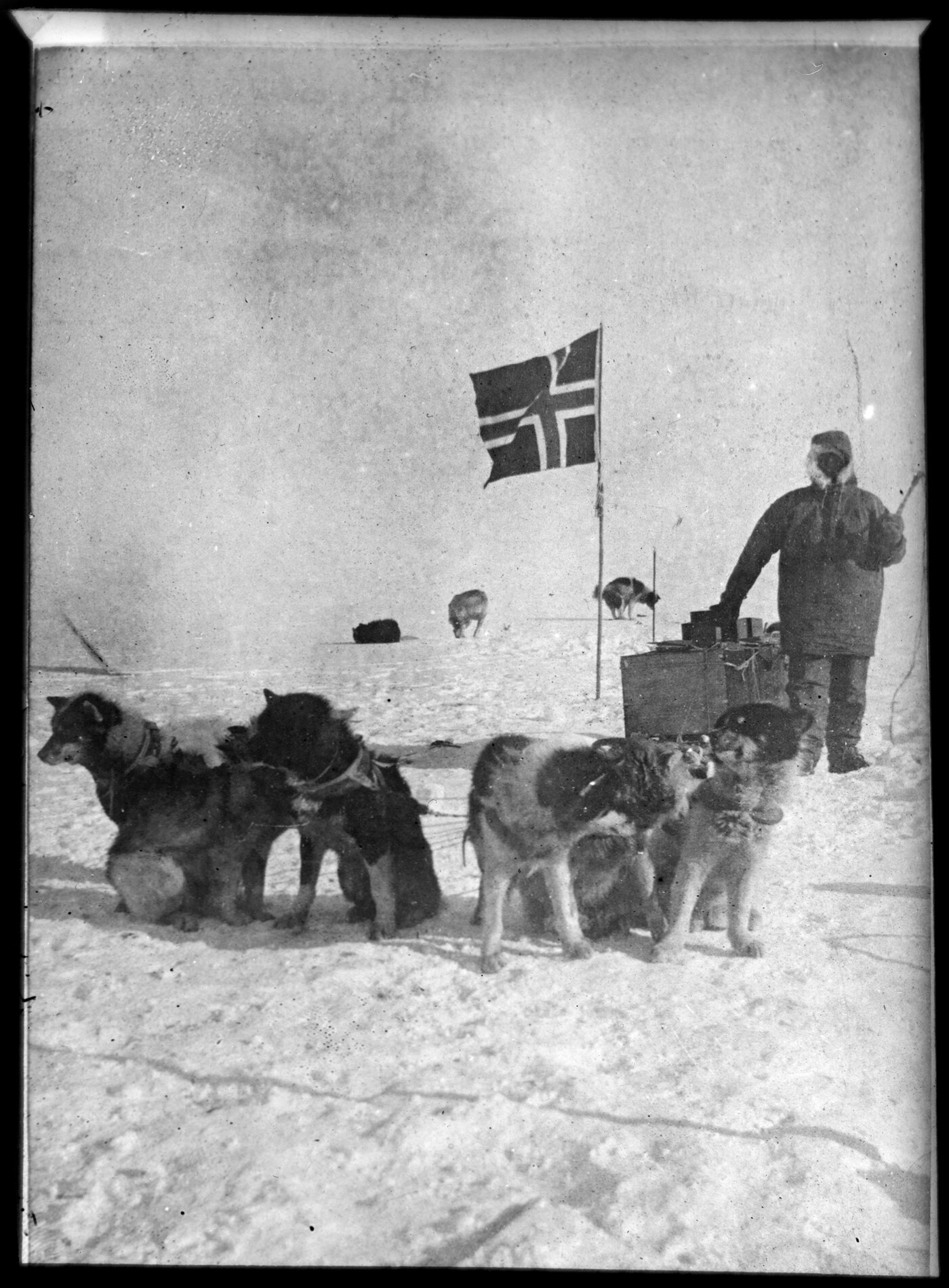
All photographs here are public domain in the United States, having been published well before 1929. The Amundsen expedition images (the dog teams, the Framheim kitchen, Bjaaland with his team, the group at the Pole and the five men at Hobart) are from the Norwegian National Library (Nasjonalbiblioteket). The group portrait of Scott’s party at the Pole was taken by Henry Bowers with a string pull. The Nimrod motor car and pony camp come from the Alfred Wegener Institute archive and are attributed to Shackleton himself; the farthest-south photograph at 88°23’S stands outside that series and is Adams’. All via Wikimedia Commons.
AIDA (AI Disclosure Acknowledgement): This blog post was researched and written by the author. AI tools (Claude Code) were used to assist with structural scaffolding, editing prose, verifying quotations and dates against the primary sources, and surfacing source material from prior notes. The cover image was designed by the author.